
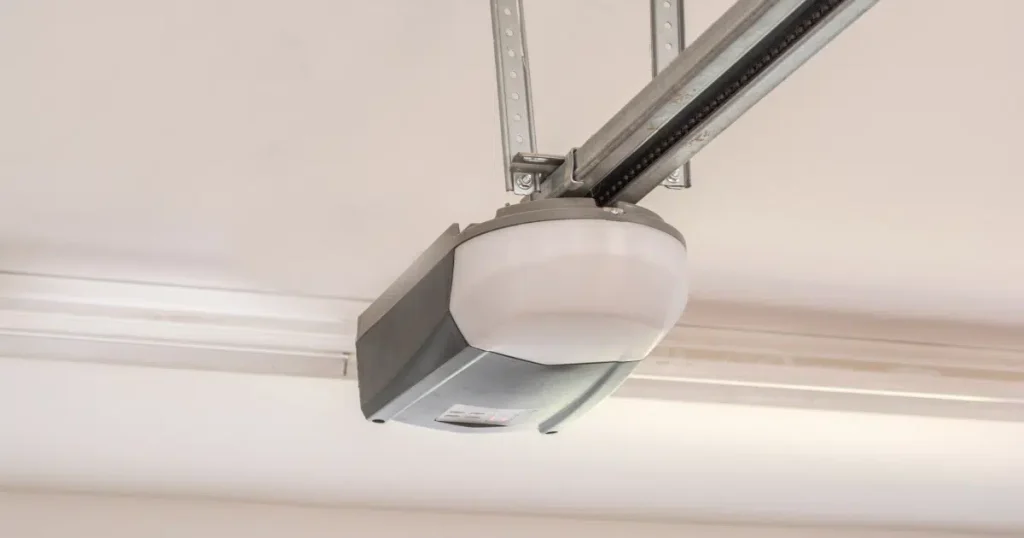
A quiet garage door opener is not only about comfort. It can protect sleep, reduce daily irritation, and make your home feel calmer, especially when the garage is attached. Many Chicago, IL homeowners notice noise most during early mornings, late nights, and winter months when doors feel stiffer, and sound carries farther.
Quietness comes from two things working together: the opener design and the door system it moves. A “quiet” opener can still sound rough if the door is unbalanced, the rollers drag, the track is slightly out of line, or the mounting is loose. That is why the quietest choice is not only a model decision. It is a fit decision.
This guide compares the quietest types of garage door openers, explains what causes noise in real homes, and helps you decide when garage door opener repair, replacement, or installation is the right next step. You will also see smart garage door opener features that support comfort without adding unwanted noise.
What the Quietest Garage Door Opener Really Means
Quiet is not silence. Quiet is low vibration, smooth movement, and fewer sharp sounds that travel through framing.
- Low vibration transfer
- Smooth travel sound
- Soft start behavior
- Soft stop behavior
- Minimal rail shaking
- Reduced rattling noises
- Less ceiling vibration
- Less wall resonance
- Fewer sharp jolts
- Fewer sudden bangs
For overall selection help, read What Garage Door Opener Is Best for Your Home?
Why Some Homes Hear More Noise
Two homes can install the same opener and get totally different noise results. Layout and construction change how sound travels.
- The attached garage amplifies sound
- Bedrooms above increase sensitivity
- Open stairwells carry noise
- Hollow framing resonates more
- Thin drywall transmits vibration
- Uninsulated doors sound louder
- Metal doors echo more
- Older hardware rattles more easily
- Cold weather stiffens movement
- Loose mounting magnifies noise
The Quietness Ranking by Opener Type
Most noise differences come from drive style and where vibration is created. This ranking reflects what homeowners usually experience in attached garages.
Quietest Overall: Wall-Mount Opener
Wall-mount openers install beside the door. They often reduce overhead vibration and can feel smooth when the door hardware is healthy.
- No overhead rail motor
- Reduced ceiling vibration
- Less garage rumble
- Smooth shaft-driven motion
- Cleaner ceiling space
- Great for storage setups
- Great for tall ceilings
- Great for attached garages
- Requires a compatible torsion setup
- Requires healthy door travel
Very Quiet: Belt-Drive Opener
Belt-drive openers use a reinforced belt instead of a metal chain. This usually reduces vibration and harsh rattling.
- Lower vibration transfer
- Smooth daily operation
- Softer travel tone
- Great near bedrooms
- Great for attached garages
- Strong comfort upgrade
- Supports smart integrations
- Needs solid mounting
- Needs ca orrect power match
- Door condition still matters
Moderate Noise: Screw-Drive Opener
Screw-drive openers vary a lot by model and brand. Some are fairly quiet, while others create a sharper mechanical sound.
- Moderate vibration profile
- Sound varies by model
- Mechanical tone common
- Cold affects feel
- Fewer moving parts
- Needs smooth door travel
- Needs stable mounting
- Noise can rise suddenly
- Not always quiet
- Best in specific setups
Usually Loudest: Chain-Drive Opener
Chain-drive openers are strong and common, but they often produce more vibration and rattling, especially as they age.
- Vibration transfers higher
- Rattling sound common
- Rail shaking is more likely
- Noise rises with age
- Chain slack gets louder
- Sprocket wear increases noise
- Strong lifting ability
- Works for detached garages
- Not ideal near bedrooms
- Mounting loosens over time
What Actually Creates the Noise
Noise usually comes from vibration, friction, or impact. Knowing which category you have makes the “quietest” decision much easier.
Vibration Transfer Noise
Vibration is what you feel in walls and ceilings. It is often the biggest reason attached garages sound loud.
- Motor vibration transfers
- Ceiling mounts amplify sound
- Loose brackets vibrate more
- Weak framing resonates more
- Long rails shake more easily
- Faster speed increases vibration
- Hard starts create jolts
- Hard stops create jolts
- Mounting gaps cause rattles
- Hardware loosening adds noise
Friction and Resistance Noise
Friction creates squeals, scraping, and strain sounds. It can make a quiet opener sound rough.
- Worn rollers squeal
- Dirty tracks scrape
- Bent tracks bind
- Door rubs unevenly
- Hinges squeak loudly
- Panels flex in travel
- Bottom seal drags
- Cold stiffens movement
- Rust increases resistance
- Lack of smooth travel
Quiet operation also depends on basic upkeep, and this garage door maintenance overview explains how routine checkups can reduce noise that builds from wear and movement over time:
If your system is also acting unreliable, read Common Reasons a Garage Door Opener Fails.
Impact and “Bang” Noise
Impact sounds are sudden and sharp. They usually happen at transitions.
- Hard start jerk
- Hard stop slam
- The door bangs shut
- Door bumps open
- Rail flex impacts
- Loose chain slaps
- Loose belt snaps
- Trolley hits the stop
- The door hits resistance
- Track joint clacks
Quietness Depends on Door Health
Many “opener noise” complaints are really “door noise” problems. A quiet opener cannot repair a noisy door path.
Door Balance and Spring Health
A balanced door reduces strain, jerks, and vibration. Poor balance often makes any opener type sound louder.
- A balanced door moves more easily
- Less motor strain
- Less start jerk
- Less stop vibration
- Less rail shake
- More consistent travel
- Reduced harsh sounds
- Reduced repeated reversals
For lifespan and wear patterns, read How Long Do Garage Door Openers Last?
Roller Condition and Noise
Rollers are among the largest noise sources in the entire system.
- Worn rollers rattle
- Flat spots bump loudly
- Loose rollers shake
- Rough bearings squeal
- Misfit rollers scrape
- Smooth rollers quiet travel
- Stable rollers reduce vibration
- Consistent travel reduces noise
Track Alignment and Vibration
Slight alignment problems can create rubbing, binding, and rail shake.
- Track misalignment binds travel
- Track flex creates noise
- Loose bolts clack
- Track joints click
- Track bends, rub, and rollers
- The door drifts in the rack
- Rubbing creates a squeal
- Binding creates jerks
Quiet Features That Matter in New Openers
If quietness is your top goal, certain design features make a real difference. These features reduce vibration and harsh transitions.
DC Motor and Smooth Control
Many quieter openers use motor designs and controls that support smoother movement.
- Smoother acceleration profile
- Smoother deceleration profile
- Less sudden jolt
- Less vibration burst
- More consistent travel sound
- Better low-speed control
Soft Start and Soft Stop
Soft start and soft stop reduce impact noise at the beginning and end of travel.
- Reduced start jerk
- Reduced stop slam
- Less rail shake
- Less ceiling vibration
- More “gliding” motion
Vibration Isolation and Mounting
Quiet models often include design elements that reduce vibration transfer into framing.
- Better mounting stability
- Reduced vibration transfer
- Reduced bracket resonance
- Reduced rail flex
- Reduced motor hum travel
Quietness Tradeoffs That Surprise Homeowners
Many homeowners expect one “quietest” answer. The reality depends on tradeoffs like space, door type, and existing hardware.
Space and Ceiling Layout
Your garage layout can push you toward certain types.
- Low ceilings limit rails
- Storage conflicts with rails
- High ceilings favor wall-mount
- Car lifts favor wall-mount
- Obstructions reduce options
Door Weight and Construction
Door build changes sound. Heavier doors can reduce rattle, but they demand more power.
- Insulated doors dampen sound
- Thin doors echo more
- Metal doors resonate more
- Wood doors sound different
- Heavy doors need power
- Light doors vibrate more easily
Noise and Budget Expectations
Some homeowners accept moderate noise for a strong, simple setup. Others want comfort first.
- Comfort drives upgrades
- Sleep disruption increases urgency
- Attached garages need quiet
- Detached garages tolerate noise
- Daily cycles increase annoyance
Routine home maintenance habits can help limit wear that leads to new rattles and resistance, and Doors highlights why staying ahead of small changes supports more consistent system performance.
Quiet Opener Recommendations by Home Situation
Quiet opener recommendations vary by layout, nearby living space, and door weight, so matching the opener type to your home situation helps reduce vibration, rattling, and sharp impact noise.
Bedroom Above the Garage
Prioritize low vibration and smooth movement. This setup is the most noise-sensitive.
- Wall-mount often ideal
- Belt-drive often excellent
- Avoid chain-drive noise
- Prioritize smooth travel
- Prioritize stable mounting
- Prioritize a balanced door
Attached Garage Living Space
Sound travels through shared walls and ceilings. Reduce vibration first.
- Belt-drive strong choice
- Wall-mount strong choice
- Reduce ceiling vibration
- Reduce rail shaking
- Reduce harsh impacts
Detached Garage Setup
For many homeowners, noise matters less, so strength and simplicity may matter more.
- Chain-drive acceptable often
- Screw-drive acceptable often
- Focus on reliability
- Focus on smooth travel
- Balance still matters
High Ceilings and Storage Needs
If you want overhead storage or a cleaner ceiling, a wall-mount often wins.
- Wall-mount clears the ceiling
- Supports overhead racks
- Reduces ceiling vibration
- Cleaner garage layout
- Strong modern fit
Heavy Insulated Doors
Heavier doors demand correct power and smooth travel for quiet operation.
- Correct power category needed
- Door balance highly important
- Smooth rollers reduce noise
- Stable mounting required
- Track alignment reduces vibration
“Quiet” Problems That Are Not the Opener
Some noises sound like opener issues, but come from other parts.
Noises During Closing Only
Closing-only noise often signals resistance or impact at the bottom.
- Bottom seal dragging
- Door hitting the floor hard
- Track binds near the floor
- Roller bumping low track
- Closing force mismatched
Noises During Opening Only
Opening-only noise often points to strain at the lift or uneven movement.
- Door heavy at the lift
- Spring lift weakening
- Roller binding at the start
- Track alignment shifting
- Mounting shaking at the start
Noises That Appear Suddenly
Sudden noise changes usually mean something shifted, loosened, or wore quickly.
- Bracket bolts loosened
- Track fasteners loosened
- Roller bearing failure
- Garage door cable tension imbalance
- Door panel flex increase
Repair and Replacement for Quietness Goals
Sometimes quietness requires a new type of opener. Other times, the door system needs attention more than the opener.
When Garage Door Opener Repair May Reduce Noise
Noise reduction often comes from correcting vibration transfer, rough travel, or harsh starts and stops.
- Loose mounting vibration
- Rail alignment issues
- Door resistance strain
- Travel limit jolts
- Force setting jolts
- Sensor issues jerks
- Door hardware wear noise
- Roller noise increases
When Garage Door Opener Replacement Helps Most
Replacement helps most when the current design is inherently louder, or the unit is aging into louder operation.
- Old chain-drive loud
- Comfort upgrade desired
- Smart features desired
- Battery backup desired
- Frequent breakdown pattern
- Motor strain sounds
- Internal gear wear noise
- End-of-life performance
Smart Garage Door Opener Features That Support Quiet Comfort
Smart features do not reduce mechanical noise by themselves, but they can reduce disruptive patterns that make noise feel worse.
- Door left open alerts
- Real-time door status
- Fewer repeated presses
- Fewer reopen attempts
- Controlled guest access
- Activity history tracking
- Routine-friendly control
- Better timing consistency
- Reduced panic closing
Quietness Checklist for Buyers
If you are choosing a new opener, use this quick checklist mindset. It keeps the focus on real noise outcomes, not marketing terms.
- Attached garage priority
- Bedroom proximity priority
- Door weight considered
- Door balance verified
- Roller condition checked
- Track alignment verified
- Stable mounting planned
- Soft start desired
- Soft stop desired
- Vibration transfer reduced
- Smart alerts useful
- Backup power useful
Make Your Garage Feel Quieter Every Day
Quiet operation comes from the right opener type and a door system that moves smoothly with low resistance. Belt-drive and wall-mount openers are often the quietest choices for attached garages, but mounting stability, roller condition, and door balance decide how quiet it feels in real life. When your system is already loud, the smartest next step is often identifying whether vibration, friction, or impact is the main cause, then addressing the right part of the system instead of guessing.
Best Pro Garage Doors supports homeowners in Chicago, IL, with garage door opener repair, installation, replacement, and smart garage door opener upgrades designed for safer travel and quieter comfort. Contact us or give us a call.
Frequently Asked Questions
Which garage door opener type is the quietest?
Wall-mount openers and belt-drive openers are often the quietest options for attached garages. The quietest choice depends on door setup, mounting stability, and how smoothly the door travels.
Why is my belt-drive opener still loud?
A belt-drive opener can still sound loud if the door is unbalanced, rollers are worn, tracks are misaligned, or mounting hardware is loose. Door resistance and vibration transfer matter as much as drive type.
Is the chain-drive always too loud?
Chain-drive is often louder, especially in attached garages, but it may be acceptable in detached garages. Noise usually increases as parts wear and mounting loosens over time.
Does door balance affect opener noise?
Yes. A balanced door moves more smoothly, which reduces strain, jolts, and vibration. Poor balance often makes any opener type sound louder.
Can rollers make a garage door louder?
Yes. Worn rollers can create squealing, bumping, and rattling. Roller condition is one of the biggest noise factors in the system.
Is wall-mount always the quietest choice?
Wall-mount is often very quiet, but it depends on compatible door hardware and healthy door travel. If the door system has resistance, noise can still be noticeable.
Can smart features reduce noise complaints?
Smart features can reduce repeated button pressing and unnecessary cycles. They do not change mechanical noise directly, but they can reduce disruptive use patterns.
When should we replace an opener for noise reasons?
Replacement can help when an older chain-drive is too loud, when internal wear causes grinding, or when you want a quieter drive type like belt or wall-mount.
Can professional installation affect noise?
Yes. Correct mounting, correct alignment, smooth door travel, and tuned settings can reduce vibration and rattling, even with a quieter opener type.
Can opener age make it louder?
Yes. As parts wear, vibration increases, and movement becomes less smooth. Older units often get louder even if they still operate.