
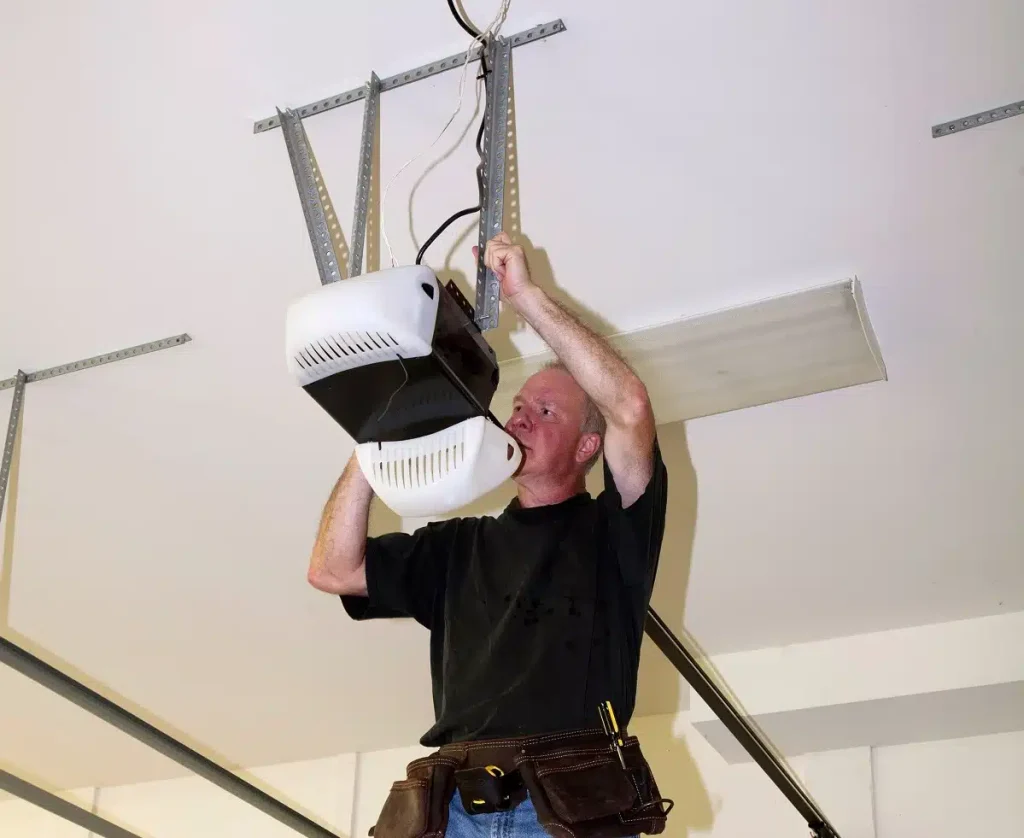
In Chicago, IL, a garage door opener is not just a convenience. It supports daily routines, home security, and safe access through hot summers and freezing winters. The best match runs smoothly, responds every time, and stays quiet enough for your home layout.
This guide keeps the decision simple. You will compare opener types, power needs, and features that actually matter. You will also learn when garage door opener repair makes sense and when replacement is the smarter move. If you want smart access, safer operation, or quieter performance, you will find a clear answer here.
Start With Lifespan and Daily Use
Before you compare brands or features, focus on how your garage is used every day. A busy household puts far more cycles on an opener, and Chicago weather can expose weak performance fast. Starting with usage and wear helps you avoid mismatched choices and repeated breakdowns.
- Daily cycles matter most
- Main entry usage grows
- Winter strain increases load
- Summer heat affects electronics
- Attached garage noise travels
- Bedrooms near the garage amplify
- Heavy doors demand power
- Old units fail unpredictably
- Small issues build quickly
- Smooth doors protect openers
- Balanced doors reduce strain
- Vibration loosens mounting bolts
- Rough travel signals wear
- Delays signal internal issues
- Jerks signal resistance
If you want a deeper breakdown of realistic lifespan factors and warning signs, read How Long Do Garage Door Openers Last?
The 4 Main Garage Door Opener Types
Most homeowners can pick the best garage door opener faster once they understand the four main styles. Think of this as choosing how the door is pulled, how noise behaves, and how your garage space is used. In a Chicago home, the “best” type often depends on whether the garage is attached and how quiet you want it.
Chain-Drive Openers
Chain-drive openers use a metal chain to pull the trolley along a rail. They are widely used and tend to handle many door types well, but they often create more vibration and noise. They can be a solid fit for detached garages or homeowners who are not sensitive to sound.
- Strong lifting ability
- Common reliable design
- Good for detached garages
- Handles frequent daily use
- More vibration transfer
- Louder movement noise
- Rattling sound possible
- Hardware noise carries indoors
- Mounting needs reinforcement
- Best with smooth doors
- Worn chains increase noise
- Loose rails add shaking
Belt-Drive Openers
Belt-drive openers use a reinforced belt instead of a chain. They usually feel smoother and quieter, which is important when your garage shares walls with living space. For many Chicago homes, belt-drive becomes the “best overall” option when comfort and noise matter.
- Quieter daily operation
- Smoother door travel
- Lower vibration transfer
- Great for attached garages
- Better for light sleepers
- Reliable for frequent cycles
- Strong, smart feature support
- Soft start and stop
- Less rattling overall
- Great for modern homes
- Needs a correct power match
- Stable mounting still matters
Screw-Drive Openers
Screw-drive openers move the trolley using a threaded steel rod. They have fewer moving parts than chain systems, but performance can vary depending on model quality and seasonal conditions. Chicago temperature swings can be a factor, so setup and door condition matter.
- Fewer moving parts
- Simple mechanical motion
- Moderate noise profile
- Performance varies by model
- Cold affects lubrication behavior
- Needs smooth door travel
- Works best with alignment
- Rough doors create strain
- Some models open faster
- Not always quietest
Wall-Mount Openers (Jackshaft)
Wall-mount openers install beside the door and rotate the torsion shaft. They free up ceiling space and often feel cleaner and more modern. They can be an excellent choice for garages with storage needs, high ceilings, or special layouts.
- Clears ceiling space
- Great for storage racks
- Ideal for tall ceilings
- Clean modern appearance
- Strong smooth motion
- Uses torsion shaft rotation
- Works for tight layouts
- Requires compatible hardware
- Door setup must match
- The track system must support
- Strong security options common
- Installation precision matters
If quiet operation is a top priority, compare your options and read Which Garage Door Opener Type Is Quietest?
How to Choose the Right Power and Fit
The best opener is not only about drive type. It must match the door’s size, weight, and movement. When an opener is underpowered or the door is unbalanced, it strains and wears faster. Matching power and fit helps reduce service calls and supports safer daily operation.
- Door weight matters most
- Insulation increases door weight
- Double doors weigh more
- Wood doors weigh more
- Windows increase door weight
- Decorative hardware adds load
- Poor balance strains the opener
- Rough rollers add resistance
- Bent tracks create drag
- Weak springs increase strain
- Correct rail length matters
- Ceiling height affects layout
- High lift needs planning
- Side clearance affects choice
- Smooth travel reduces wear
- Correct force protects safety
Features That Matter Most
Features should solve real problems: safer closing, stronger security, and better day-to-day control. In Chicago, battery backup and smart alerts can be especially useful when weather causes outages or busy routines make it easy to forget the door. The “best” feature set depends on how your household uses the garage.
Smart Garage Door Opener Features
A smart garage door opener helps you control access and confirm the door is closed when you are away. It is often less about gadgets and more about daily confidence and convenience.
- Phone control access
- Open and close alerts
- Door left open warnings
- Real-time status checks
- Activity history tracking
- Guest access sharing
- Temporary access options
- Multi-user permissions
- Smart home integration
- Helpful for deliveries
- Helpful for teens driving
- Helpful for busy mornings
Safety Features That Matter
Safety features keep the door from closing on objects, pets, or kids. Proper setup matters as much as the feature itself, because misaligned sensors can cause closing failures or unreliable behavior.
- Photo-eye sensor alignment
- Auto-reverse protection
- Safe closing response
- Correct force settings
- Correct travel limits
- Clean sensor lenses
- Stable sensor brackets
- Wiring connections secured
- Wall control reliability
- Consistent safety testing
Battery Backup and Outage Protection
Battery backup helps keep access available during power loss. If your garage is a main entry point, this feature can prevent being stuck outside or unable to get a car out.
- Access during outages
- Helpful in winter storms
- Helpful during grid issues
- Keeps routines moving
- Supports main entry access
Security and Access Controls
Garage doors are a common access point, so security features matter. A better access setup reduces the risk of unauthorized entry and helps keep control in the right hands.
- Rolling code remotes
- Secure keypad entry
- Vacation mode lock
- Strong wireless encryption
- Optional camera support
- Better access to visibility
- Controlled guest access
When Repair Makes Sense and When Replacement Is the Better Fit
Not every opener problem means you need a new unit. Some problems are caused by sensors, remotes, wiring, or door resistance. But if problems keep repeating or safety becomes unreliable, replacement often becomes the more dependable path. This section helps you judge garage door opener repair versus garage door opener replacement in a practical way.
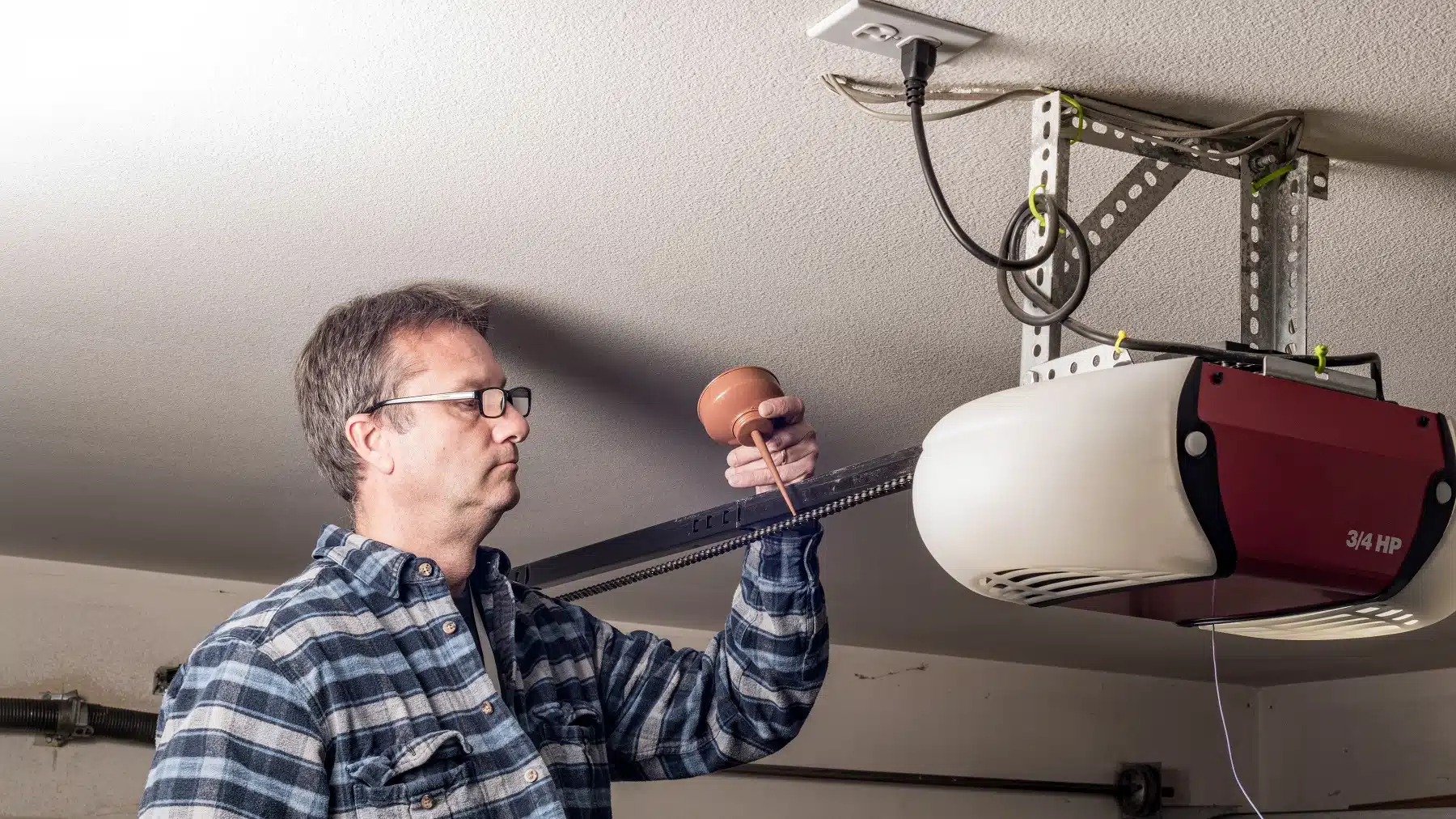
When Garage Door Opener Repair Often Works
These situations often respond well to targeted service, especially when the opener is not near the end of its life.
- Sensor alignment issues
- Sensor wiring loose
- Remote battery failure
- Keypad programming issues
- Wall button failure
- Travel limits drifted
- Force settings incorrect
- Loose mounting vibration
- Rail alignment issues
- Gear wear early stage
- Door resistance is causing strain
- Safety reversal misbehavior
When Garage Door Opener Replacement Often Wins
These patterns often signal deeper wear, outdated safety performance, or repeated reliability problems.
- Frequent repeat breakdowns
- Inconsistent door response
- Loud grinding sounds
- Severe strain noises
- Random stop and reverse
- Unreliable safety features
- Parts are hard to source
- Old unit performance drops
- No smart features are possible
- No battery backup option
- Chronic sensor false trips
- Repeated internal board issues
If you need fast clarity on the most common failure causes, read Common Reasons a Garage Door Opener Fails.
What to Expect From Professional Installation
Garage door opener installation is not only about mounting a motor. The door must travel smoothly, the settings must be tuned, and safety behavior must be verified. A correct installation helps your opener run quieter, last longer, and behave safely during closing.
- Door balance checked first
- Roller condition inspected
- Track alignment inspected
- Spring system inspected
- Mounting points reinforced
- Rail installed straight
- Travel limits set correctly
- Force settings tuned safely
- Sensor alignment verified
- Auto-reverse tested fully
- Remote programming completed
- Keypad setup completed
- Wall control placement planned
- Final walkthrough provided
- Usage tips explained
For a broader homeowner-friendly maintenance checklist mindset, NAHB offers a useful routine home maintenance reference.
Quick Recommendations by Home Situation
If you want a simple shortcut, match the opener style to your household priorities. These are not “rules,” but they are common best fits for Chicago homes based on space, noise, and daily use.
Attached Garage and Quiet Comfort
Focus on low vibration and smooth travel when sound matters most.
- Belt-drive often best
- Wall-mount also strong
- Prioritize smooth starts
- Prioritize low vibration
Overhead Storage or Tall Ceilings
If you want ceiling space clear, a wall-mount can be a strong solution.
- Wall-mount clears the ceiling
- Better for storage racks
- Better for bike lifts
- Cleaner garage layout
Heavy Insulated or Wood Doors
Power and door balance matter most for heavier doors.
- Higher power category
- Balance checked first
- Smooth rollers essential
- Strong mounting required
Smart-Home Friendly Households
Smart features help with daily routines and access control.
- Smart alerts help most
- Activity history useful
- Guest access simplifies entry
- Remote access reduces worry
High-Use Families
Reliability matters more than fancy extras for frequent cycles.
- Durable daily performance
- Battery backup recommended
- Strong security features
- Consistent safe closing
If you want a clearer picture of how side-mounted designs change ceiling space and layout, this jackshaft opener overview is a helpful explainer.
A Chicago-Smart Next Step
The best garage door opener is the one that matches your door weight, your garage layout, and your daily routine. When those pieces align, you get smoother travel, better security, and fewer frustrating surprises, even when Chicago weather changes fast.
Premium Garage Door Repair supports homeowners across Chicago, IL with garage door opener repair, installation, replacement, and smart garage door opener upgrades designed for safe, dependable operation. Contact us or give us a call.