
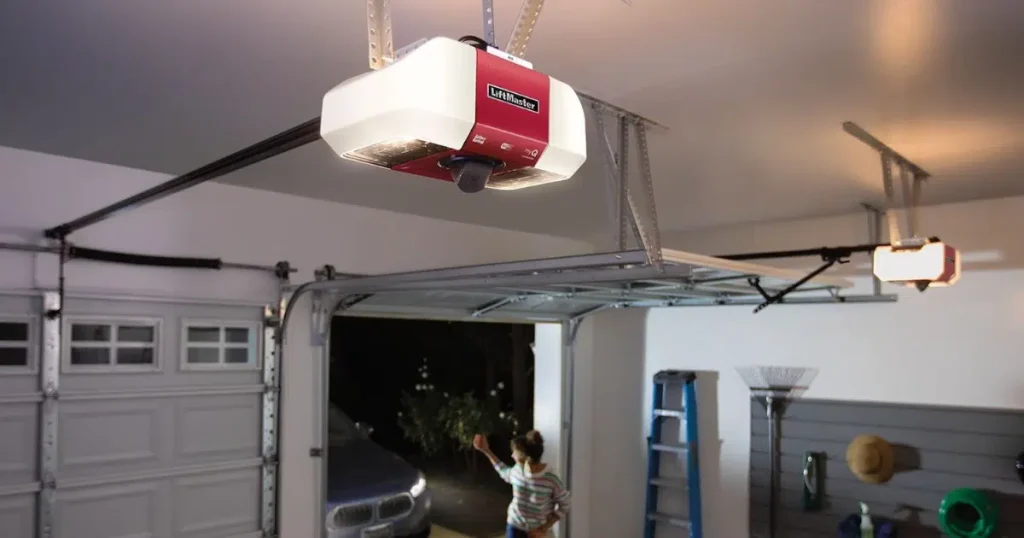
Garage door openers do not fail all at once. Most wear down in stages, and the timeline depends on daily use, door weight, maintenance habits, and weather exposure. In Chicago, IL, cold snaps, humidity swings, and heavy daily cycling can shorten lifespan faster than homeowners expect.
This guide explains what “lasting” really means, what makes an opener age faster, and how to spot the early signs before you get stuck with a door that will not open. You will also learn when garage door opener repair is enough and when garage door opener replacement is the safer move.
What Garage Door Opener Lifespan Really Means
Lifespan is not only years. It is performance over time. A unit can still run but become noisy, inconsistent, or unsafe. The best way to judge lifespan is how reliably it lifts the door and how safely it closes.
- Years are not enough
- Cycles matter more
- Reliability defines lifespan
- Safety behavior must hold
- Smooth travel signals health
- Strain signals hidden wear
- Noise shifts show aging
- Slow response suggests decline
- Random stopping indicates risk
- Reversing often means trouble
Average Lifespan Expectations
Most homeowners want one simple number, but the real lifespan depends on conditions. Think in ranges tied to use level and door load, not a single “expiration date.”
- Light use lasts longer
- Heavy use wears faster
- Main entry use increases
- Attached garages cycle more
- Heavy doors shorten lifespan
- Poor balance speeds wear
- Rough tracks increase strain
- Weak springs overload motors
- Heat stresses control boards
- Cold stiffens moving parts
For opener selection that supports longer life, read What Garage Door Opener Is Best for Your Home?
The Biggest Lifespan Drivers
Most opener problems are not random. They come from repeated strain, friction, and vibration. These drivers affect every opener style, including smart models.
Daily Open-and-Close Cycles
Cycles are the true wear meter. Every open and close uses gears, belts, chains, and electronics.
- Commute routines add cycles
- School drop-offs add cycles
- Garage used like a front door
- Weekend activity increases cycles
- Frequent deliveries add openings
- Repeated reopen patterns
- Door left open
- Extra closing attempts happen
Door Weight and Resistance
A heavier door demands more lifting force. Resistance makes the opener fight every cycle.
- Insulated doors weigh more
- Wood doors weigh more
- Double doors weigh more
- Bent tracks create drag
- Worn rollers add friction
- Loose hinges cause wobble
- Misaligned tracks bind travel
- Rust increases resistance
Door Balance and Spring Health
A balanced door protects your opener. Weak springs push more load onto the motor.
- Springs carry the door weight
- Weak springs increase strain
- The door feels heavy when manually
- The door drops too fast
- The door rises unevenly
- Opener works too hard
- Motor runs hotter
- Gears wear quicker
Chicago Weather Effects
Cold can stiffen movement and change how parts behave. Heat and humidity can stress electronics and metal hardware.
- Cold thickens lubrication
- Ice affects the bottom seal
- Humidity speeds corrosion
- Salt air accelerates rust
- Temperature swings stress plastics
- Condensation affects sensors
- Wind increases door flex
- Storm outages disrupt access
Seasonal conditions affect how doors and attached spaces perform, and energy guidance often emphasizes reducing drafts and managing temperature swings that impact day-to-day comfort.
Lifespan Differences by Opener Type
Some opener types age differently because of how they move the door and how vibration transfers into the mounting points. Knowing these patterns helps you set realistic expectations and choose the right next step.
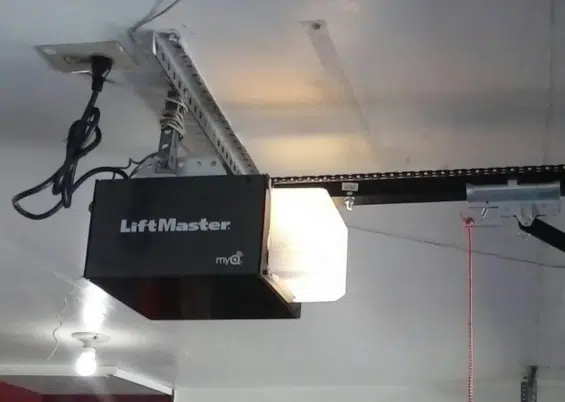
Chain-Drive Lifespan Notes
Chain systems are tough, but noise and vibration often rise as parts age, especially when door travel is not smooth.
- Strong lifting design
- Vibration increases over time
- Rattle grows with wear
- Rail shaking becomes common
- Chain slack adds noise
- Sprocket wear shows first
- Loose mounting worsens sound
- Best with smooth doors
Belt-Drive Lifespan Notes
Belt systems are often chosen for comfort. They can stay smooth longer when the door is balanced and the unit is properly installed.
- Smooth quiet performance
- Lower vibration transfer
- Great for attached garages
- Soft start reduces strain
- Stable mounting helps longevity
- Needs a correct power match
- Door balance is still critical
- Quietness reveals new noises
Screw-Drive Lifespan Notes
Screw systems vary by model. Chicago temperature swings make door movement and lubrication behavior more noticeable.
- Fewer moving parts
- Performance varies by model
- Cold can affect smoothness
- Rough doors strain quickly
- Needs clean alignment
- Noise can increase suddenly
- Travel speed may change
- Consistency matters most
Wall-Mount Lifespan Notes
Wall-mount openers can be excellent when the door setup supports them. They often reduce ceiling vibration but still rely on a healthy door system.
- Clears ceiling space
- Modern compact build
- Smooth shaft-driven motion
- Less ceiling vibration
- Requires compatible hardware
- Door setup must match
- Garage door cable condition becomes important
- Precision setup matters
Routine home maintenance habits help reduce small issues that can snowball into bigger reliability problems over time.
If quiet operation is a top priority while choosing a type, compare options, read Which Garage Door Opener Type Is Quietest?
Early Warning Signs Your Opener Is Aging
Many homeowners miss the early signs because the door still moves. These signals often appear weeks or months before a full failure.
- New grinding sounds
- Louder rattling movement
- Shaking rail motion
- Slow start behavior
- Slow closing behavior
- Random stop mid-travel
- The door reverses unexpectedly
- Remote range shrinking
- Wall button inconsistent
- Lights blinking repeatedly
- Burning smell near mothe tor
- Strain noise at the lift
If your opener is already acting up, read Common Reasons a Garage Door Opener Fails.
Normal Aging and Immediate Repair Concerns
Some changes are mild aging. Others are signals that safety or reliability is slipping fast. This section helps you tell the difference without guessing.
Usually Normal Aging
- Slightly louder operation
- Mild vibration increase
- Remote battery sensitivity
- Slower response sometimes
- Occasional minor squeak
Often Needs Inspection
- Reversing during closing
- Random stopping mid-travel
- Grinding or popping sounds
- Door jerks during lift
- Sensor light behavior is odd
- Frequent false safety trips
- Severe rail shaking
- Strong burning smell
Repair and Replacement for Aging Garage Door Openers
Not every older opener needs replacement. Some problems come from sensors, settings, or door resistance. But repeated failures can signal end-of-life performance.
When Garage Door Opener Repair Often Works
These situations often respond well to targeted service, especially when the unit is not near end-of-life.
- Sensors misaligned
- Sensor wiring loose
- Remote battery weak
- Keypad needs programming
- Travel limits drifted
- Force settings incorrect
- Loose mounting vibration
- Rail alignment correction
- Door resistance resolved
- Minor gear wear early
When Garage Door Opener Replacement Often Wins
These patterns often signal deeper wear or outdated safety behavior, making replacement the more dependable move.
- Frequent repeat breakdowns
- Severe grinding noises
- Random stop and reverse
- Safety behavior unreliable
- Parts difficult to find
- Control board failing
- No smart upgrade path
- No battery backup option
- Excessive vibration damage
Overheating motor signs
Lifespan Boosters That Actually Help
You cannot stop aging, but you can reduce strain. The biggest lifespan wins come from lowering resistance and improving door balance.
- Keep the door balanced
- Reduce door resistance
- Replace worn rollers
- Keep tracks aligned
- Secure mounting hardware
- Keep sensors aligned
- Clean sensor lenses
- Address noise early
- Avoid repeated slam cycles
- Confirm safe closing behavior
How to Estimate Remaining Opener Life
You do not need an exact “end date” to make a smart decision. What you want is a clear sense of whether your opener is in a stable phase, a decline phase, or a high-risk phase based on use, door load, and behavior changes.
Step 1: Use Daily Cycle Reality
A cycle is one open and one closed. Homes that use the garage like a front door burn through cycles faster.
- Count daily open cycles
- Count daily close cycles
- Add weekend extra trips
- Add delivery access use
- Multiply weekly routines
- Note seasonal use spikes
- Note teen driver habits
- Note holiday travel patterns
Step 2: Match Cycles to Wear
Cycles are the wear meter, but resistance is the wear amplifier. A dragging door shortens lifespan fast.
- Smooth travel lowers wear
- Dragging travel raises wear
- Heavy doors raise strain
- Weak springs raise strain
- Worn rollers raise friction
- Track misalignment binds travel
- Door shake increases stress
- Vibration loosens hardware
Step 3: Score Your Opener Risk
If several match your situation, your remaining life is likely shorter than you think.
- Random stop mid-travel
- Closing reversal repeats
- New grinding sounds
- Loud rattling growth
- Remote range shrinking
- Wall button inconsistent
- Lights blinking patterns
- Strong vibration increase
- Burning smell present
- Door jerks during lift
Lifespan Check: What a Pro Looks For
A professional lifespan check is not only “does it open.” It is a performance and safety review that shows whether the opener is aging normally or being forced to work too hard.
Opener System Checks
These checks confirm whether the opener is healthy, strained, or near the end of its life.
- Motor strain sounds
- Gear wear indicators
- Rail stability inspection
- Mounting bracket strength
- Travel limit accuracy
- Force setting stability
- Logic board behavior
- Remote signal strength
- Wall control consistency
- LED error patterns
Door System Checks That Protect Lifespan
Many opener “failures” are actually door problems. Reducing resistance can extend opener life.
- Door balance behavior
- Spring lift performance
- Roller wear condition
- Track alignment accuracy
- Hinge wear condition
- Cable wear signs
- Bottom seal drag
- Panel movement alignment
Safety and Closing Behavior Checks
Safety performance is part of the lifespan. If safety becomes unreliable, replacement may be the smarter move.
- Sensor alignment accuracy
- Sensor bracket stability
- Lens cleanliness check
- Auto-reverse verification
- Closing speed consistency
- Obstruction response testing
- Safe force threshold behavior
Lifespan Mistakes Chicago Homeowners Make Most
Many opener problems get worse because of normal habits that increase strain. These mistakes are common, easy to miss, and very costly over time.
Habit Mistakes That Increase Wear
Small habits can create repeated strain and shorten lifespan.
- Repeated button pressing
- Stopping the door mid-travel
- Forcing door movement
- Using the door when binding
- Ignoring the new shaking
- Ignoring new scraping
- Leaving the door partially open
- Using the door as an entry
- Letting kids play nearby
Condition Mistakes That Speed Failure
These issues make the opener fight resistance every cycle.
- Ignoring worn rollers
- Ignoring loose hinges
- Ignoring bent track sections
- Ignoring weak springs
- Ignoring noisy cables
- Ignoring loose mounting
- Ignoring sensor misalignment
- Ignoring the imbalance
Timing Mistakes That Create Breakdowns
Waiting too long turns small issues into major failures.
- Waiting for full failure
- Waiting through winter strain
- Waiting after reversals
- Waiting after grinding sounds
- Waiting after buthe rning smell
- Waiting after erratic behavior
Stay Ahead of Breakdowns in Chicago
Garage door opener lifespan depends on its cycles, door load, and how smoothly the door travels over time. When resistance stays low and safety behavior stays consistent, most openers deliver reliable daily access for years. When strain builds, the opener may still run, but breakdown risk rises fast.
Best Pro Garage Doors supports homeowners in Chicago, IL, with garage door opener repair, installation, replacement, and smart garage door opener upgrades designed for safer travel and dependable performance. Contact us or give us a call.