
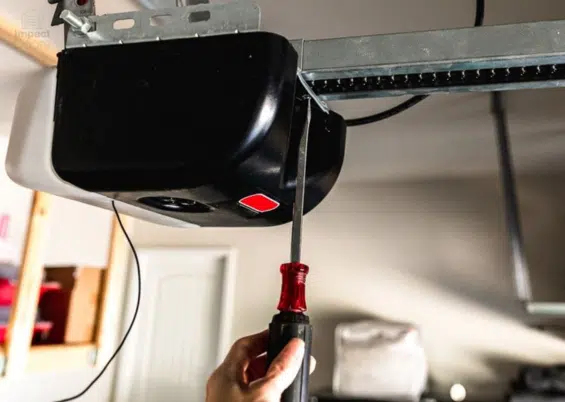
When a garage door opener stops working, it can feel sudden and stressful, especially when you are trying to leave for work or get the door closed at night. Most of the time, the failure is not truly “random.” It starts with small signs like slow response, extra noise, reversing during closing, or a remote that works only sometimes. Those signals usually mean the opener is dealing with resistance, a safety trigger, a power issue, or internal wear.
In Chicago, IL, opener trouble can show up faster because cold increases door resistance, moisture can affect wiring and sensors, and daily garage use adds wear to moving parts. This guide explains the most common reasons a garage door opener is not working, how to match your symptoms to the right cause category, and when garage door opener repair is enough versus when garage door opener replacement is the smarter long-term move.
Identify the Primary Garage Door Symptom
Before anything else, identify the main symptom. That single detail often narrows the cause quickly.
- Will not open
- Will not close
- Opens only halfway
- Closes then reverses
- Hums without moving
- Runs, door stays
- Stops mid-travel
- Works only sometimes
- Remote not responding
- The wall button is not responding
- Keypad not responding
- Blinking lights present
- Loud grinding noise
- Sudden shaking movement
For the full opener decision guide, read What Garage Door Opener Is Best for Your Home?
Stop and Pause for Safety
Some symptoms point to door-side hazards. If these show up, continued use can increase damage or create unsafe movement.
- The door hangs crooked
- Door slams shut
- The cable looks loose
- Roller out of track
- Track visibly bent
- Spring looks damaged
- Loud snap sound
- Burning smell present
- Heavy shaking movement
- The panel looks cracked
- The door will not stay up
- A loud bang at the start
The Fastest Symptom-to-Cause Match
Use this quick match to identify the most likely cause bucket. It is not a DIY instruction. It is a faster way to understand what a professional will check first.
If Nothing Responds at All
This usually points to power or internal power delivery.
- No opener lights
- No motor sound
- No remote response
- No wall button response
- No keypad response
If It Opens but Won’t Close
This often points to safety sensors, alignment, or closing force behavior.
- Sensor beam blocked
- Sensor alignment off
- Sensor wiring problem
- Closing force too low
- Travel limits off
If It Closes, then Reverses
This often points to a safety trigger, resistance, or incorrect settings.
- Bottom resistance present
- Closing force too low
- Travel limits incorrect
- Track binding low
- Sensor issue present
If It Hums but Won’t Move
This can point to internal drive wear or a jammed travel path.
- Gear wear inside
- Carriage stuck
- Drive slipping issue
- Door resistance is too high
- Rail obstruction present
If It Works “Sometimes”
Intermittent issues often involve wiring, moisture, heat, or signal.
- Loose wire contact
- Moisture on terminals
- Remote interference
- Aging circuit board
- Thermal shutoff behavior
Power and Supply Problems
Many “not working” calls are simply power delivery issues. They can look like total failure even when the opener itself is fine.
Power Loss to the Opener
When power is missing, the opener usually shows no lights and no response.
- Breaker tripped
- GFCI tripped
- Plug loosened
- Outlet failed
- Ceiling receptacle loose
- Shared circuit overloaded
- A storm outage occurred
- Garage subpanel issue
- Extension cord failure
- A surge event occurred
Power Present, Still Dead
If power exists but the opener shows no normal behavior, internal electrical failure may be involved.
- Internal fuse blown
- Control board failure
- Transformer problem
- Burnt terminal connection
- Severe surge damage
Wall Button, Remote, and Keypad Problems
Controls can fail even when the opener motor is fine. This category is common because it can be triggered by small wiring issues.
Wall Button Not Working
This often points to wiring, lock settings, or wall station failure.
- Lock mode enabled
- Wall wire loose
- Wire pinched
- Terminal corrosion present
- Loose terminal screws
- Wall station worn
- Short in wire
- Staple pinched wire
Remote Not Working
Remote issues commonly involve batteries, signal interference, or receiver sensitivity.
- Remote battery dead
- Remote needs programming
- Interference in the garage
- Antenna position weak
- Receiver sensitivity reduced
- Remote buttons worn
- LED bulb interference
- Vehicle signal interference
Keypad Not Working
Keypads can be impacted by battery issues, code issues, or exposure.
- Keypad battery dead
- Code needs reset
- Keypad buttons worn
- Moisture exposure present
- Cold affects response
- Programming mismatch
Safety Sensor Problems
If the door opens but refuses to close, sensors are a top cause. Sensors are designed to stop closing when something looks unsafe.
Sensor Beam Blocked
Something in the beam path can stop the door from closing.
- Storage blocking beam
- Trash bin too close
- Kids toys present
- Tools in the path
- Snow buildup present
- Leaves in the path
- Pet bowl in the path
- Wet lens film
Sensor Alignment Off
A small bump can cause alignment issues, even when the sensors look “close enough.”
- Brackets bumped sideways
- Screws loosened
- Vibration shifted angle
- Slanted floor effect
- Sun glare interference
- Bent bracket present
- LED blinking pattern
Sensor Wiring Problems
Wiring issues can create inconsistent behavior and repeated blinking.
- Wire insulation cracked
- Wire pinched by the track
- Staples too tight
- Terminal corrosion present
- Loose connector tabs
- Rodent damage possible
- Intermittent short presentation
- Splice connection failing
Door Resistance That Mimics Opener Failure
Many opener “failures” are door problems. When resistance rises, the opener may stop, reverse, or refuse to close for safety.
Track and Roller Resistance
Rough travel creates strain and triggers safety behavior.
- Rollers worn flat
- Rollers wobbling
- Bearings rough
- Track slightly bent
- Track bolts loosened
- Debris in the track
- Rust pitting present
- Track joints misaligned
- The door rubs the edge
- The door drifts sideways
For wear and lifespan context, read How Long Do Garage Door Openers Last?
Door Balance and Spring Issues
If springs lose lift, the opener is forced to lift extra weight and may stop or reverse.
- The door feels heavy
- Door drops fast
- The door rises unevenly
- The door won’t stay up
- Opener strains at the start
- Opener strains at the stop
- Slow lift behavior
- Frequent reversal behavior
Cable and Hardware Problems
Hardware issues can block travel or create unsafe movement.
- Uneven garage door cable tension
- Cable fraying visible
- Drum alignment off
- Hinges cracked
- Brackets shifting
- Door panels binding
- Popping during travel
- Panel seam separation
Safety behaviors like stopping and reversing are not random; they’re built into how residential operator standards prioritize obstruction response.
Settings Problems That Stop Normal Operation
Even when the door and sensors are fine, incorrect settings can cause stopping, reversing, or incomplete closing.
Travel Limits Incorrect
Travel limits tell the opener where to stop.
- Stops too early
- Won’t fully close
- Overtravels at tothe p
- Hits the floor hard
- Closes then reverses
- Leaves a gap at the floor
- Bounces at close
Force Settings Incorrect
Force settings control how hard the opener pushes or pulls.
- Closing force too low
- The opening force is too low
- The closing force is too high
- False obstruction trigger
- Jerky start motion
- Hard stop motion
- Frequent reversal pattern
Mechanical Opener Problems
Mechanical wear can cause humming, grinding, slipping, or a door that will not move even when the motor runs.
Humming Without Movement
This often points to a drive issue or jammed carriage.
- Gear teeth worn
- Carriage stuck
- Drive slipping
- Rail obstruction
- Door resistance high
Grinding, Clicking, or Popping
These sounds often indicate internal wear or loose drive components.
- Internal gear wear
- Sprocket wear
- Chain slack noise
- Belt skipping noise
- Rail connection loose
- Mounting bolts loose
- Motor bearing noise
Intermittent Mechanical Behavior
Some units run fine until heat, vibration, or wear triggers failure.
- Heat-related shutdown
- Loose internal connection
- Worn capacitor signs
- Random reset behavior
- Inconsistent engagement
Smart Garage Door Opener Issues
Smart features can create “it won’t work” situations even when the opener motor is fine.
App Will Not Connect
Most often, network or account-related.
- Wi-Fi signal weak
- The router changed recently
- Password changed
- Network band changed
- Permissions restricted
- Firmware update needed
- Cloud service outage
- Phone power saving
App Connects, Door Won’t Move
This often points to safety locks, sensors, or door resistance.
- Vacation mode active
- Safety lock enabled
- Sensor safety triggered
- Travel limits incorrect
- Door resistance high
- Access permissions changed
Chicago-Specific Failure Patterns
Chicago conditions can push small issues into bigger symptoms, especially in winter.
- Seal frozen to the floor
- Ice increases bottom drag
- Snow blocks the sensor beam
- Cold stiffens rollers
- Cold increases resistance
- Moisture affects contacts
- Condensation fogs lenses
- Salt speeds corrosion
- Wind flexes panels
- Outages trigger resets
What to Observe Before Calling
Clear symptom details speed diagnosis and reduce repeat visits. These are the most helpful observations.
- Exact symptom pattern
- When it started
- Weather during the issue
- Recent outage event
- Any new noises
- Any new shaking
- Opens at all
- Closes at all
- Stops where exactly
- Reverses when exactly
- Blink pattern present
- Remote range change
- Wall button response
- Keypad response
- App behavior change
Repair vs. Replacement Decision Guide
This section helps you decide what direction makes sense based on behavior and repeat patterns.
When Garage Door Opener Repair Often Fits
These situations commonly resolve with targeted service and adjustments.
- One clear symptom
- Sensor alignment issue
- Wiring contact loose
- Remote programming issue
- Keypad battery issue
- Limit settings drifted
- Force settings drifted
- Mounting vibration issue
- Door resistance corrected
- Opener fairly new
When Garage Door Opener Replacement Often Fits
Replacement often makes sense when failures repeat, safety becomes unreliable, or internal wear is obvious.
- Frequent repeat failures
- Severe grinding noise
- Control board failing
- Parts hard to source
- Safety behavior unreliable
- Motor overheating signs
- Multiple issues stacking
- End-of-life decline
- Upgrade goals present
- Smart feature upgrade
Prevention That Actually Reduces Repeat Failures
Most repeat failures come from resistance, vibration, and ignored early warning signs.
- Keep sensors clear
- Keep lenses clean
- Reduce door resistance
- Address new noises
- Address the new shaking
- Keep mounting stable
- Keep the tracks stable
- Keep rollers healthy
- Avoid rapid cycling
- Avoid forcing travel
- Avoid sensor clutter
- Plan seasonal checks
For quietness-related upgrades, read Which Garage Door Opener Type Is Quietest?
Get Back to Reliable Garage Access
Garage door opener problems usually come from a small group of causes: power delivery issues, sensor safety triggers, door resistance, settings drift, or internal wear that grows over time. In Chicago, IL, cold, moisture, and frequent daily use can accelerate those weak points, so small warning signs like reversing, shaking, or delayed response matter more than many homeowners realize.
Best Pro Garage Doors helps homeowners in Chicago, IL, identify the true cause and choose the right next step, whether that is garage door opener repair, installation, replacement, or smart garage door opener upgrades for safer, more reliable access. Contact us or give us a call.
Frequently Asked Questions
Why does my garage door opener click but not open?
Clicking can mean the opener receives the command, but the door cannot move due to resistance, door balance problems, or internal drive wear. It can also happen when the carriage is not engaging correctly.
Why does my garage door opener open but not close?
This is often related to safety sensors being blocked or misaligned. It can also happen when closing force or travel limits are not set correctly.
Why is my remote not working, but the wall button works?
This often points to remote battery failure, programming issues, or interference. In some cases, the receiver sensitivity may be reduced.
What causes the opener to stop halfway?
Stopping mid-travel often results from door resistance, track binding, incorrect force settings, or a balance issue that causes the opener to detect an abnormal load.
Why does the door reverse when it reaches the floor?
This often indicates a bottom resistance issue, incorrect travel limit behavior, or force settings that cause a false obstruction trigger.
Can cold weather cause opener problems in Chicago?
Yes. Cold can increase resistance, stiffen moving parts, and freeze the bottom seal. Moisture and condensation can also affect sensors and wiring contacts. If winter weather includes outages or electrical disruptions, Ready.gov’s outage guide covers what to expect and how to stay prepared.
How can we tell if the issue is the opener or the door?
If the opener runs but the door struggles, shakes, or reverses, door resistance or balance is often involved. A full inspection checks both systems to identify the true cause.
Are blinking opener lights important?
Yes. Blinking patterns often point to sensor issues, wiring issues, or safety triggers. They are a helpful clue for diagnosis.
When should we repair versus replace the opener?
Repair often fits isolated issues like sensors, settings, wiring, or remotes. Replacement often fits repeated failures, severe internal wear, or unreliable safety behavior.
Can smart opener issues mimic a failure?
Yes. Wi-Fi, app permissions, or network changes can prevent control even when the motor is fine. A professional check separates connectivity problems from mechanical problems.