
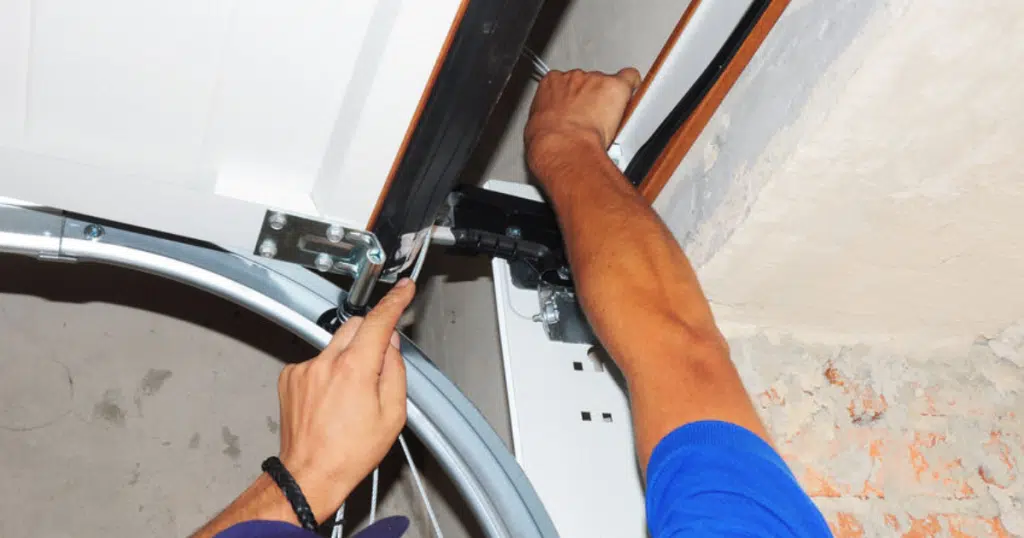
A bent garage door track can start as a minor annoyance and turn into a door that scrapes, jerks, or stops halfway. In Chicago, IL, this shows up often after winter weather swings, salty moisture that lingers in garages, or tight alley parking where a light vehicle tap happens more than most homeowners expect. The garage door track is the steel guide rail that your rollers travel along. When that rail bends, the rollers cannot move in a clean, straight path, and the entire system starts working against itself.
This guide breaks down the most common causes, the warning signs that matter, and what to do next to protect the door, the opener, and your safety. It is written the way an experienced garage door technician would explain it during a service visit.
Quick Answer
A garage door track typically bends due to impact, loose mounting brackets, corrosion, or uneven door travel that pushes rollers into the rail. The safest next step is to limit door cycles, do a quick visual inspection for obvious dents or loose hardware, and schedule professional service if the door binds, tilts, reverses, or makes grinding sounds.
If you are wondering what can happen if track trouble is ignored, read How Bent Tracks Lead to Bigger Garage Door Problems to understand why a small bend often turns into a wider system issue.
Bent Track Warning Signs You Can Spot Fast
Most track trouble gives you clues before it becomes a full stop. Here are the signs to watch for, written in a simple, checklist style.
- Scraping or grinding during travel
This usually means a roller is rubbing the rail edge or catching at a dented area. - A jerk or “hop” at the same spot every time
A repeated catch point is a classic sign of a bent section, a shifted bracket, or a tight track transition. - The door tilts during movement
Tilt can happen when one side meets extra resistance, or when the lift becomes uneven. - The opener reverses while closing
Many garage door openers reverse when they sense resistance. A bent track can create that resistance even when the opener itself is operating normally. - The door sounds louder than usual
New rattling, clunking, or rubbing sounds often mean roller travel is no longer smooth. - A visible dent, pinch, or “wave” in the rail
The most common bend points are near the lower brackets and near the curved transition. - Rollers riding the edge of the track
If a roller appears barely seated, treat it as a higher-risk situation and limit use.
If you are unsure whether what you are seeing counts as a true warning sign, read Bent Garage Door Track Warning Signs You Shouldn’t Ignore for a clearer breakdown of what is normal versus what signals a real problem.
Common Causes of a Bent Garage Door Track
This list is based on what technicians routinely see in the field. Each cause includes what usually happens, plus a safe observation you can make without turning it into a repair project.
- Accidental Vehicle Contact in Tight Chicago Garages
Even a light tap can push the door inward and force the rollers into the rail, creating a bend near the bottom third of the vertical track. - Loose Track Brackets and Shifting Fasteners Over Time
Vibration, repeated cycles, and seasonal movement can loosen hardware. Once a bracket shifts, the track can drift and deform at stress points. - Rust and Corrosion From Moisture and Road Salt
Winter salt and damp air accelerate corrosion. Corroded steel loses strength, so the rail bends more easily under normal load. - Garage Framing Movement and Settling
Older garages can shift over time. When mounting surfaces shift, track alignment changes, and rollers begin pushing sideways. - Worn Rollers That Force the Rail
Rollers should roll freely and stay centered. Worn rollers can wobble and push into the rail, slowly deforming it. - Uneven Lift From Cable or Drum Issues
If one side lifts differently from the other, the door can travel at an angle and press hard into one track. - Door Balance Problems From Spring Wear
Springs carry most of the door’s weight. As springs age, the door can feel heavier and travel more roughly, increasing strain on tracks and rollers. - Track Alignment That Was Slightly Off From the Start
Small alignment errors can take months to show up. Over time, the roller path creates uneven wear and can distort the rail. - Opener Force Settings That Keep Pushing Through Resistance
If the force is set too aggressively, the opener may keep pushing instead of stopping, which can worsen track deformation. - Stored Items Striking the Track Path
Bikes, ladders, bins, and tools can shift into the rail area and cause dents, especially near bracket points. - Freeze-Thaw Movement That Amplifies Small Alignment Issues
Chicago’s temperature swings can worsen loosened hardware and small shifts. That can turn slightly tight travel into a clear bind.
If you want a fast, safety-first screening before you schedule service, read Bent Track Checklist: Safe Checks Before You Call a Professional for a clean step order and what details help a technician diagnose the issue faster.
What to Do Right Away
This section is designed to keep you safe and prevent additional damage. It focuses on what to observe and what to stop doing, not how to repair.
What to Stop Doing
- Stop cycling the door repeatedly. Each cycle can worsen the bend and wear rollers faster.
- Do not force travel with the opener. Pushing through resistance can damage additional parts.
- Do not touch high-tension areas. Avoid garage door cables, springs, bottom brackets, and drums.
What to Check Safely
- Track shape: Inspect vertical and horizontal sections for dents, pinches, or twisting.
- Bracket condition: Inspect for missing fasteners, obvious shifting, or rails that sit unevenly.
- Roller seating: Inspect whether rollers appear centered in the channel or riding on an edge.
- Scrape marks: Inspect for fresh metal marks on the rail or door edge.
- Clearance: Ensure nothing is pressing into the track path.
What to Note for the Service Call
- Where the door catches: Same spot every time is a key clue.
- Whether the door tilts: Tilt suggests uneven resistance or uneven lift.
- Whether the opener reverses: Reversal often points to binding.
- Any recent impact or garage changes: Even a minor bump matters.
When to Stop Completely and Schedule Service
- A roller appears barely seated in the track
- The door hangs unevenly or shifts during movement
- A cable shows visible wear or fraying
- The rail is visibly crushed, folded, or severely dented
IDA’s homeowner care guidance is a helpful reference for safe, surface-level checks you can do without touching high-tension parts.
What a Technician Will Check and Why It Matters
A reliable outcome usually requires more than straightening a single rail section. A technician checks the system so the track does not bend again.
- Track alignment and spacing so rollers stay centered
- Mounting hardware and bracket stability to prevent repeated shifting
- Roller condition and hinge play to reduce wobble and side pressure
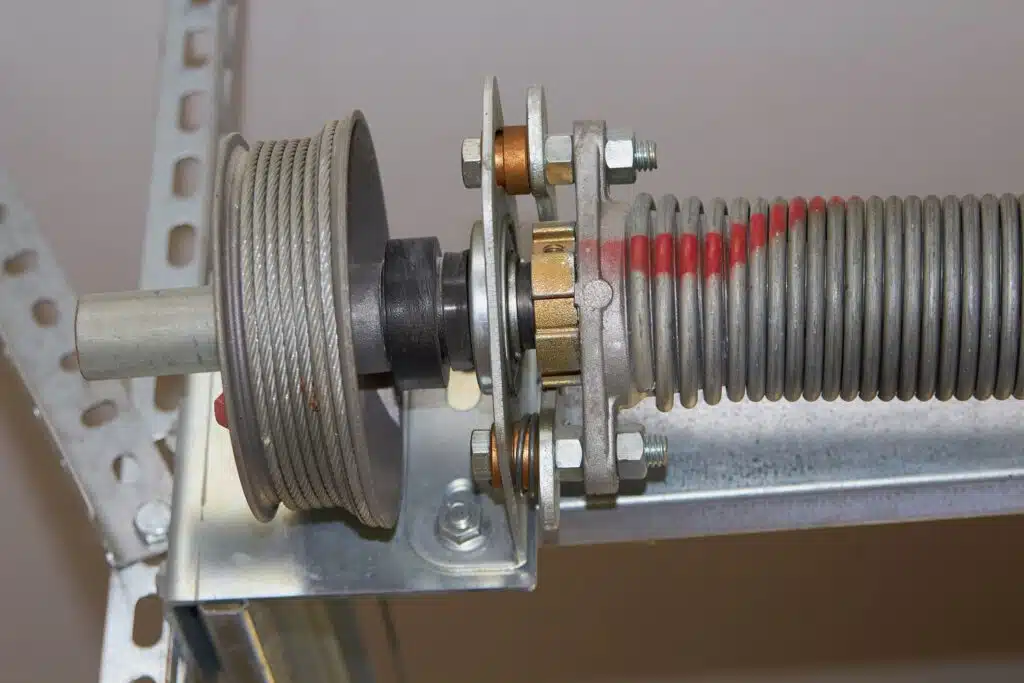
- Cable and drum tracking to confirm even lift on both sides
- Door balance and spring performance to reduce overall strain
- Opener travel limits and force settings so resistance is handled correctly
- Safety sensor alignment and reversal behavior for dependable closing
LiftMaster also documents a straightforward safety reversal test that helps confirm the opener responds correctly when resistance is detected.
How to Help Prevent Bent Track Trouble
Chicago conditions create repeat risk, but a few habits reduce the most common causes.
- Keep the base area cleaner in winter, so salt and moisture do not sit near the track
- Keep storage away from the rail path to avoid dents near bracket points
- Use a consistent parking approach in tight spaces to reduce bump risk
- Do a quick monthly inspection for loose brackets, new rust, roller wobble, and fresh scraping sounds
- Treat rough travel as a signal. A door should sound steady and move smoothly
Get Professional Garage Door Track Service
If your door is scraping, tilting, reversing, or stopping at the same point, treat it as a system issue, not just a bent rail. A trained inspection focuses on track alignment, bracket stability, roller condition, and door balance together, so daily operation stays reliable.
If you want a trained technician to inspect the full setup and restore dependable operation in Chicago, IL. Best Pro Garage Doors will give you a clear explanation of what caused the track damage and what should be addressed now to reduce the chance of repeat trouble. The visit also includes a safety-focused check of door travel, roller seating, and opener response, so daily access is dependable again. Contact us or give us a call today to schedule service.
Frequently Asked Questions